.png)
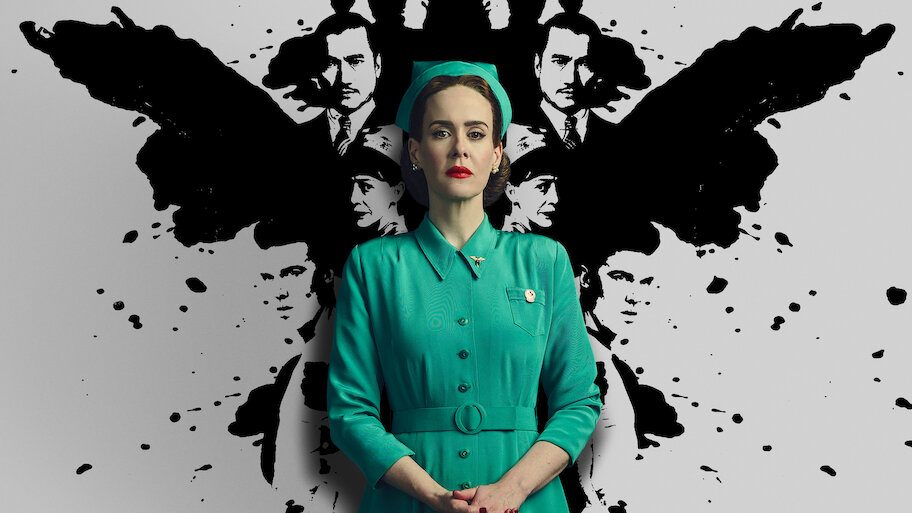
Ratched Shop Secrets: Inside the Film’s Most Twisted Set
The world of cinema is full of mysterious locations, but few have captured the imagination like the infamous Ratched Shop. From its haunting corridors to the eerie details that lurk in every corner, this set has become a legend among fans and filmmakers alike. In this deep dive, we’ll pull back the velvet curtains and explore the twisted secrets that make the Ratched Shop one of the most captivating and unsettling environments ever created for a film.
Behind the Doors: The Ratched Shop Set Design
The design team approached the Ratched Shop with a blend of Victorian elegance and unsettling decay. They started with authentic period architecture, then deliberately introduced cracks, rust, and peeling paint to evoke a sense of forgotten grandeur. Each doorway was purposefully narrow, forcing actors to move in a constrained, almost claustrophobic manner, which heightened the tension on screen.
Materials were sourced from reclaimed warehouses, ensuring that every wooden beam and metal fixture carried its own history. This tactile authenticity allowed the set to breathe, making every footstep echo with a subtle, ghostly resonance that reminded viewers they were stepping inside a place that had seen countless untold stories.
Hidden Details: Props that Tell a Story
What truly sets the Ratched Shop apart are the tiny, almost imperceptible props hidden throughout the set. A cracked teacup with a faint floral pattern, a half‑burned candle, and a handwritten note tucked behind a bookshelf each serve as narrative breadcrumbs. These objects were meticulously placed to reward close observation, encouraging audiences to replay scenes and uncover new layers.
One particularly chilling detail is the collection of antique surgical tools displayed on a rusted metal tray. Their placement near the main counter hints at the shop’s dark past, suggesting that the surface commerce masks a more sinister purpose. Such subtle hints create a lingering sense of dread that persists long after the credits roll.
Lighting and Color: Crafting a Twisted Atmosphere
The lighting design for the Ratched Shop was a masterclass in mood manipulation. Cinematographers used a palette of muted blues and sickly greens, filtered through dusty windows, to cast an otherworldly glow across the scene. Shadows were deliberately elongated, giving corners a lurking quality that made the space feel alive and watchful.
Strategic use of practical light sources—such as flickering chandeliers and dim oil lamps—added realism while also serving the narrative. As characters moved, the light danced across their faces, highlighting fear and desperation. This interplay of illumination and darkness turned the shop into a character of its own, guiding emotions without a single line of dialogue.
Audience Reaction and Legacy
Since its debut, fans have taken to forums and social media, dissecting the Ratched Shop frame by frame. The set’s intricate details have sparked countless theories, from hidden passages to symbolic references to classic horror literature. This fervor demonstrates the powerful connection viewers feel with an environment that feels both intimate and vast.
Beyond fan speculation, the Ratched Shop has influenced set designers across the industry, inspiring a new wave of “living sets” that prioritize texture, hidden storytelling, and atmospheric lighting. Its legacy underscores how a well‑crafted location can transcend the screen, becoming a cultural touchstone for those who crave depth and mystery.


